
Akintic vs ChatGPT:
which is better for researching companies?
ChatGPT is a highly capable general-purpose AI assistant that can research almost any topic. Akintic is built specifically for company research, giving every company the same structured research process, source-backed Profile and questions to help guide what happens next.
How are Akintic and ChatGPT different?
ChatGPT is a general-purpose AI assistant. It can answer questions, analyse documents, write content, reason through problems and conduct broad research across many subjects.
Akintic has a narrower job: helping people understand companies.
Instead of beginning with a blank prompt, Akintic uses a repeatable company-research process and turns what it finds into a structured Akintic Profile covering areas such as ownership, leadership, products, market context, public signals, sources and questions worth asking next.
The tools are not mutually exclusive. The better choice depends on whether you need a flexible general assistant or a dedicated company-research workflow.
Where ChatGPT fits
ChatGPT is useful when the research question is broad, exploratory or likely to change as you work. You can ask follow-up questions, upload information, investigate many different subjects and shape the output around your own prompt. Its flexibility is one of its biggest strengths.

Researching a company is more than asking a good prompt
When you’re researching a company for a real business decision, finding information is only part of the job.
You also need to know whether you’re looking at the right company, which sources deserve more weight, whether information agrees across sources, what’s missing, and what should be questioned next.
You may also want the same research categories every time so two companies – or two researchers – don’t produce completely different starting points.
That’s where a dedicated company-research workflow starts to differ from general-purpose research.
Akintic vs ChatGPT at a glance
Product features can change. This comparison reflects publicly available information and the Akintic product at the date above.
Akintic vs ChatGPT at a glance
Product features can change. This comparison reflects publicly available information and the Akintic product at the date above.
What Akintic adds to company research
Akintic doesn’t try to be a general-purpose AI assistant. Its research process, Profile structure and supporting features are designed around one job: helping you understand a company.
Built around companies
You don’t need to design the research process yourself. Akintic starts with the questions that matter when you’re trying to understand a business.
Consistent every time
Each company is researched using the same core Profile structure, reducing dependence on individual prompts, searching habits or researcher experience.
Sources with context
Relevant findings remain connected to sources so you can inspect the evidence, check dates and investigate further.
Research is cross-checked
Different parts of the company are researched before the information is brought together and checked against the wider Profile.
Informed by diligence
Akintic’s research approach is shaped by around two decades of experience understanding companies and knowing where to look, and what to question.
Questions, not just answers
Decision Support turns gaps, signals and watchpoints into recommended questions and areas for further investigation.
The difference is in how the research is done
A cited answer is useful. But a citation alone doesn’t tell you whether the right sources were prioritised.
Company research often requires different evidence for different questions. A corporate registry may matter more for legal identity. A regulator or court record may matter more for a legal issue. A company website may be useful for understanding what the business claims about itself, but not as independent proof of that claim.
Akintic’s research approach is built around those distinctions.
Source prioritisation
Relevant sources are evaluated in the context of the research question rather than treated as one flat set of search results.
Separate research areas
Company overview, ownership, leadership, legal information, media and other areas can be researched independently before synthesis.
Cross-checking
The wider Profile is used to identify inconsistencies, missing support and information that deserves further review.
Modern company research.
A diligence-informed approach.
Akintic’s approach didn’t start with an AI model.
It was shaped by around two decades of diligence experience researching complex organisations and working out which information matters, which source deserves more weight and what should be questioned before moving forward.
Akintic applies that discipline to a much broader company-research problem.
AI makes the research faster. The experience helps shape what the research actually looks for.
Same company, different starting point
Search the same company using both approaches and you’ll start in different places. One begins with your prompt. Akintic begins with a repeatable company-research framework.
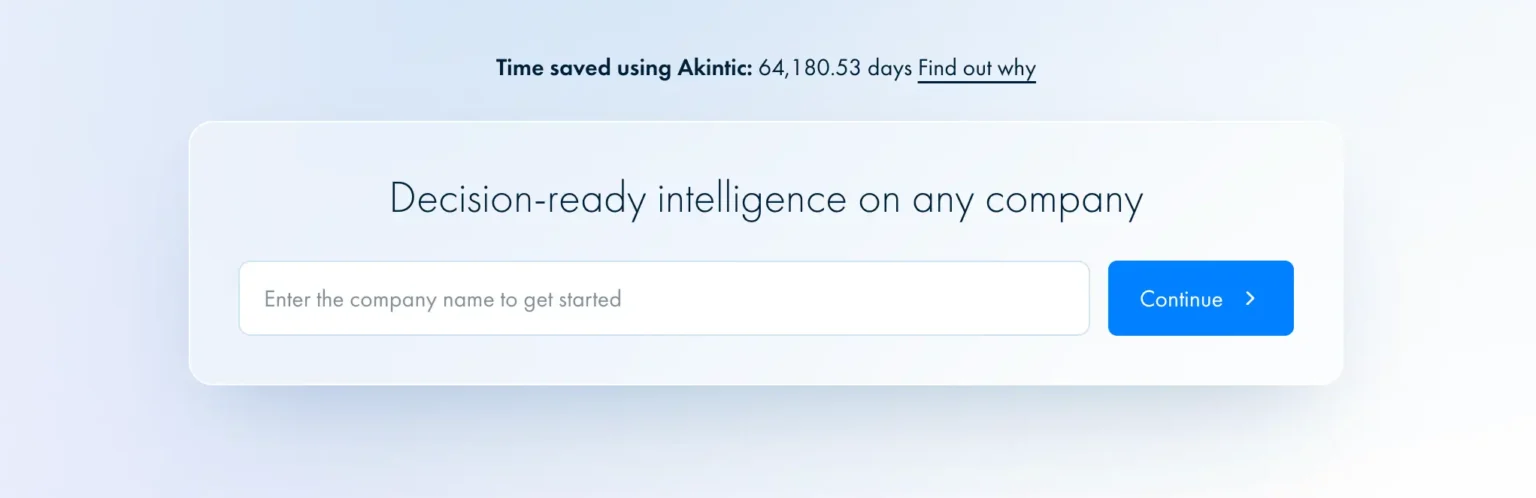

Start with the Company.
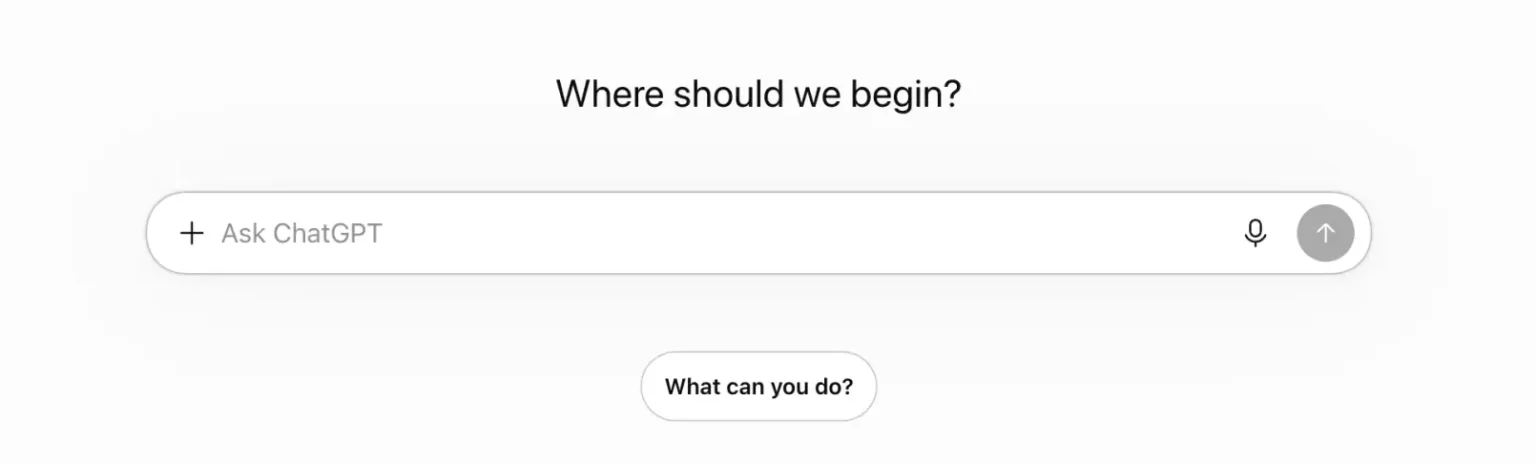
Start by deciding what to ask, which areas to research, what are their strength and weaknesses, what’s the latest media, how to structure the output, which follow-up prompts to run, what does it all mean?, how to compare it with the next company…
- Company context
- Ownership and leadership
- Products and market
- Relevant developments
- Public signals
- Sources
- Watchpoints
- Decision Support
When should you use Akintic or ChatGPT ?
Use Akintic when the job is specifically to understand a company before a business decision.
It’s designed for situations where you want the research structure, sources, watchpoints and next questions already built into the process.
Use [ChatGPT] when you need a flexible assistant for open-ended research, analysis, writing, brainstorming or questions that move across different topics.
It’s particularly useful when you want to shape the research interactively through your own prompts and follow-up questions.
Where Akintic fits into real decisions
Supplier Due Diligence
Build the initial company picture before deeper supplier review.
Preparing for client meetings
Get up to speed on a company before the conversation starts.
FAQ’s
Common questions about Akintic, company profiles and pricing.
Can I use ChatGPT to research a company?
Absolutely. ChatGPT can be useful for researching companies, summarising information and exploring specific questions. However, the quality and consistency of the research can depend on your prompts, the sources available and how you verify the results. Akintic takes a more structured approach, with a research process designed specifically to help you understand companies and make better-informed business decisions.
What is the difference between Akintic and ChatGPT?
ChatGPT is a general-purpose AI assistant that can help with a wide range of tasks, including company research. Akintic is purpose-built for company intelligence. Its research process draws on Castle Hall Diligence’s 20 years of experience, bringing together company information, relevant sources, strengths, risks and watchpoints into a consistent Akintic Profile. No complicated prompting or research framework required.
Is Akintic better than ChatGPT for company due diligence?
It depends on what you need. ChatGPT is useful for exploring questions, summarising information and supporting open-ended research. Akintic is designed specifically for structured company research and early-stage due diligence. It applies a diligence-informed approach to researching companies, evaluating sources and identifying information that may deserve further investigation. Akintic doesn’t replace formal due diligence, but it can help you start with a stronger understanding of the business.
Does Akintic show its sources?
Yes. Akintic Profiles include source references behind important findings, so you can see where information came from and investigate further when needed. Rather than simply presenting an answer, Akintic helps you understand the evidence behind it, including relevant public records, company information, media coverage and other available sources. This makes it easier to validate findings and decide what deserves closer attention. You can always speak to our team to find out more about specific sources.
Don't compare the claims. Compare the research.
Start with a company name. Aki will take it from there.